16 Nov

Grid congestion, a growing problem

Grid congestion is rapidly becoming one of the biggest obstacles in the energy transition, affecting not only businesses, but now private households as well. As demand for electricity continues to rise, the grid simply cannot keep up, resulting in delays, limited capacity, and unused renewable energy. Modular Battery Systems offer a smart and scalable solution, helping you overcome these limitations with ease.

What is grid congestion?

Grid congestion occurs when, at certain times or locations, the electricity grid cannot fully process the demand for, or the supply of, power. The issue arises most frequently in regions with:

  • High energy demand, such as industrial areas.
  • High renewable energy generation, such as solar parks or wind farm clusters.

Two types of grid congestion

  1. Physical congestion: The grid lacks the actual capacity to transport the required amount of electricity.
  2. Administrative congestion: Capacity is available but has already been reserved by other users who do not fully utilize it, leaving part of the capacity unused.

Causes

  • Growing energy demand: Electrification of transport, industry, and households is increasing the strain on the grid.
  • Rise in renewable energy: Solar and wind power are generated at irregular times, causing peak loads on the network.
  • Limited grid expansions: Building additional grid capacity is slow due to high costs and lengthy permitting processes.
"“Grid congestion hampers new connections because the power grid lacks sufficient capacity, delaying growth and sustainability efforts for many companies.”"
Kees van Os
Advisor, Modular Battery Systems

The consequences of grid congestion

Grid congestion delays the connection of new businesses, solar parks, and charging stations to the grid. It also hinders the energy transition, as renewable generation cannot be fully utilized.

Smart solutions such as Modular Battery Systems play a key role in reducing grid congestion by storing energy locally and flattening consumption peaks.

What are Modular Battery Systems?

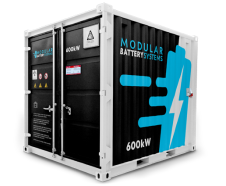
Modular Battery Systems consist of standardized, expandable battery units. These systems can be easily adapted to the specific energy needs of a company or community. They store energy locally, ensuring peak loads are absorbed and excess energy is not wasted. This makes them an ideal way to address challenges such as grid congestion.

How Modular Battery Systems help with grid congestion

  1. Peak Shaving: Modular Battery Systems store energy during periods of low demand and release it during peak hours, reducing the load on the grid.
  2. Optimization of Grid Capacity: Businesses can balance their energy use without expanding their grid connection.
  3. Integration With Renewable Energy: These systems integrate seamlessly with solar panels and wind turbines, ensuring renewable energy is better utilized.

Why choose Modular Battery Systems?

  • Scalability: Modular design allows the system to grow alongside the needs of your business.
  • Cost Savings: They eliminate the need for costly grid expansions and help businesses use energy more efficiently.
  • Sustainability: Through smart energy management, they contribute to the transition to a cleaner energy supply.
  • Expertise and Knowledge: With years of experience in (sustainable) energy, we provide expert advice and tailored support.

The way forward

With grid congestion acting as a brake on the energy transition, Modular Battery Systems offer a pragmatic and future-proof solution. Companies can deploy this technology to gain immediate benefits while contributing to a more sustainable energy system.